Wildlife Damage Repair: Restore Your Home and Property Fast
- Matthew Abraham
- Sep 23, 2025
- 4 min read

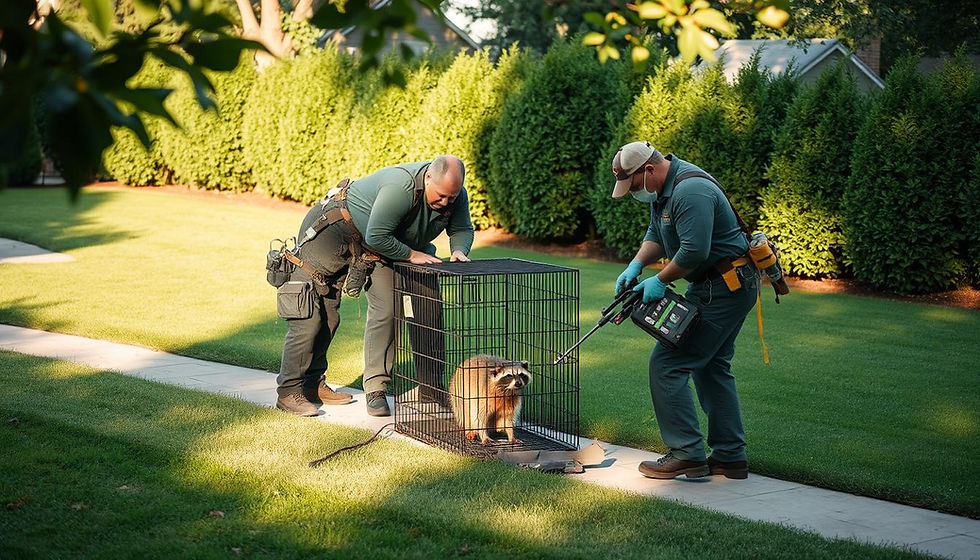
Wildlife can be fascinating—until it damages your home or property. From squirrels nesting in your attic to raccoons tearing through insulation, these encounters can be costly and stressful. Wildlife damage repair isn't just about fixing what's broken. It's about protecting your property, preventing future problems, and ensuring safety.
In this guide, we'll explore everything you need to know about wildlife damage repair, including common issues, practical strategies, and answers to frequently asked questions. By the end, you'll know exactly how to handle wildlife damage like a pro.
Why Wildlife Damage Repair Matters
Wildlife problems aren't just inconvenient—they're expensive and sometimes dangerous. According to the National Pest Management Association, wildlife damage causes over $1 billion in property losses annually in the U.S. alone.
Here's why addressing damage quickly matters:
Health Risks: Animals like raccoons and bats can spread diseases through droppings and urine.
Structural Damage: Chewed wires, torn insulation, and broken vents can lead to fires or costly repairs.
Decreased Property Value: Unaddressed damage may lower your home's value and appeal.
Recurring Issues: If you don't fix entry points, animals are likely to return.
Think of wildlife damage like a leaky roof. If you ignore it, the problem spreads and gets more expensive over time.
Common Types of Wildlife Damage
Every animal leaves behind a different type of destruction. Here are the most common issues homeowners face:
1. Chewed Wires and Cables
Rodents like squirrels and rats love to chew. Damaged wires not only disrupt your electricity but also increase fire risk.
2. Ruined Insulation
Raccoons, squirrels, and bats often nest in insulation, tearing it apart and contaminating it with waste.
3. Broken Vents and Holes
Animals create openings to get inside. These holes let in pests, water, and cold air.
4. Roof and Chimney Damage
Squirrels and birds often build nests in chimneys or under shingles, causing leaks and blockages.
5. Contaminated Attics and Crawl Spaces
Animal droppings can carry harmful bacteria and parasites like roundworms and histoplasmosis.
Step-by-Step Wildlife Damage Repair Process
Fixing wildlife damage isn't just about cleaning up. Here's a proven step-by-step process professionals use:
Step 1: Inspection
A thorough inspection identifies:
The type of animal involved
The extent of damage
Entry and exit points
This step helps create a clear repair plan.
Step 2: Remove Contaminated Materials
Insulation, nesting material, and droppings must be safely removed using protective gear. This step prevents exposure to diseases.
Step 3: Sanitize and Disinfect
After removal, the area should be disinfected to eliminate bacteria, parasites, and odors that could attract new wildlife.
Step 4: Repair Structural Damage
Common repairs include:
Replacing insulation
Fixing holes in walls, roofs, and vents
Repairing chewed wires
Step 5: Seal Entry Points
Sealing cracks, gaps, and vents keeps animals from coming back. This is one of the most critical steps in long-term prevention.
Step 6: Install Preventive Barriers
Consider adding chimney caps, vent covers, or reinforced screens to protect vulnerable areas.
FAQs About Wildlife Damage Repair
1. How do I know if wildlife has damaged my home?
Look for signs like:
Scratching or scurrying noises in walls or ceilings
Droppings or foul smells
Holes in vents, siding, or the roof
Torn insulation or wires
If you notice any of these, call a professional for an inspection.
2. Can I fix wildlife damage myself?
Minor repairs like patching small holes can be DIY-friendly. However, contaminated insulation or electrical damage should always be handled by professionals for safety reasons.
3. How much does wildlife damage repair cost?
Costs vary depending on the damage:
Inspection: $75 – $150
Minor Repairs: $200 – $500
Major Repairs: $1,000 – $5,000+
Investing in proper repair now can save thousands in future damages.
4. Will my insurance cover wildlife damage?
Some homeowners' insurance policies cover wildlife damage, especially if it's sudden and accidental. However, gradual damage (like ongoing rodent infestations) may not be covered. Check with your provider.
5. How can I prevent wildlife damage in the future?
Seal entry points around your home
Keep trash in sealed containers
Trim tree branches near your roof
Install chimney caps and vent covers
Schedule annual inspections
Prevention is always cheaper than repair.
Pro Tips for Effective Wildlife Damage Repair
Here are a few strategies to make your repair process smoother and more effective:
Act Fast: The longer you wait, the worse the damage becomes.
Hire Licensed Professionals: Wildlife removal and repair require specialized skills.
Focus on Long-Term Solutions: Don't just patch holes—address the root cause.
Document the Damage: Take photos for insurance claims.
Schedule Regular Maintenance: Preventive care reduces the risk of future infestations.
Why Professional Help Matters
DIY fixes can be tempting, but wildlife damage repair often involves hidden dangers.
Professionals have the right tools, protective equipment, and expertise to handle:
Dangerous animals like raccoons or bats
Biohazards such as droppings and urine
Electrical hazards from chewed wires
Insurance documentation and compliance
Hiring an expert isn't just safer—it's often more cost-effective in the long run.
Conclusion: Protect Your Home and Peace of Mind
Wildlife encounters can turn from fascinating to frustrating in an instant. The key to protecting your home is swift, effective wildlife damage repair. By addressing problems early, sealing entry points, and investing in prevention, you can save money, reduce stress, and keep your home safe.
Don't let wildlife take over your property. If you suspect damage, schedule an inspection today. A quick response can make the difference between a simple repair and a costly disaster.
Remember:
Fast action prevents further destruction.
Professional repairs ensure safety and long-term results.
Prevention is always better than a cure.
Take control now—and give your home the protection it deserves with Essential Wildlife Control.


Comments