What Does Wildlife Damage Repair in Norwalk Include? A Complete Breakdown
- Matthew Abraham
- Mar 23
- 3 min read


Wild animals can cause serious harm to your home before you even notice them. From torn insulation to chewed wires, the damage can spread fast. That’s where professional repair services come in. It’s not just about fixing what’s broken—it’s about making your home safe, clean, and protected from future invasions.
In this guide, you’ll learn what wildlife damage repair includes, why it matters, and how professionals handle the process step by step. You will also discover common warning signs, the risks of ignoring damage, and simple ways to protect your home. This will help you make smart decisions and keep your property safe and secure over time.
Why Wildlife Damage Repair Is Important
Wildlife damage is more than a small nuisance. It can affect your home’s structure, air quality, and safety.
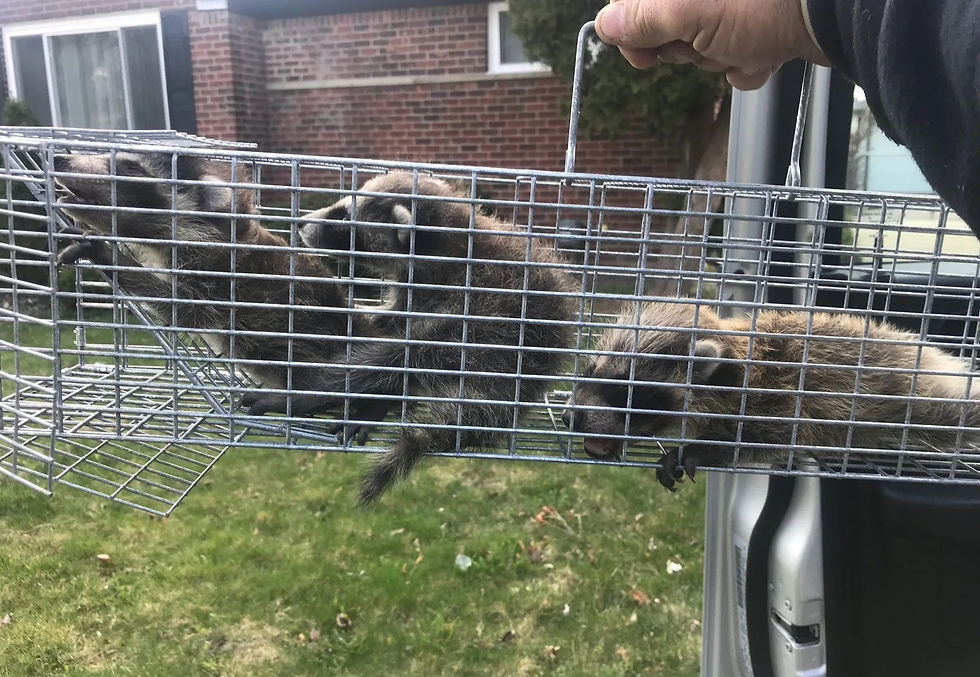
Animals like raccoons, squirrels, bats, and birds often:
Tear up insulation
Chew wood and electrical wires
Leave droppings and urine
Create entry holes in roofs and walls
If left untreated, these issues can lead to:
Fire hazards from exposed wiring
Mold and odor problems
Higher energy bills
Long-term structural damage
That’s why quick and professional wildlife damage repair is essential.
Common Types of Wildlife Damage
Attic Damage
The attic is one of the most common areas affected by wildlife.
Animals often:
Nest in insulation
Compress or destroy insulation
Leave waste behind
This reduces your home’s energy efficiency and creates unhealthy conditions.
Electrical Damage
Rodents and other animals love to chew on wires. This can:
Break electrical connections
Increase fire risk
Cause power outages
Even small damage to wiring can be dangerous.
Structural Damage
Wild animals can weaken your home’s structure by:
Chewing wooden beams
Damaging vents and siding
Creating holes in roofs
Over time, this can lead to costly repairs if not addressed early.
Contamination and Odor
Animal droppings and urine can:
Spread bacteria and parasites
Create strong, unpleasant smells
Affect indoor air quality
This is especially risky for families with children or pets.
What Does Wildlife Damage Repair Include?
Professional wildlife damage repair involves more than just patching holes. It’s a full process designed to restore and protect your home.
1. Full Inspection
Experts start with a detailed inspection of your property.
They check:
Entry points
Damage areas
Signs of nesting or contamination
This step helps create a clear repair plan.
2. Safe Removal of Contaminated Materials
Damaged insulation and waste must be removed safely.
This includes:
Animal droppings
Urine-soaked materials
Contaminated insulation
Professionals use protective gear to prevent health risks.
3. Cleaning and Sanitizing
After removal, the area is cleaned and disinfected.
This helps:
Kill bacteria and germs
Remove odors
Improve air quality
Proper sanitation is key to making your home safe again.
4. Repairing Structural Damage
Next, all damaged parts of your home are repaired.
This may include:
Fixing wood and beams
Replacing vents and siding
Sealing roof gaps
These repairs restore your home’s strength and appearance.
5. Insulation Replacement
If insulation is damaged, it needs to be replaced.
New insulation:
Improves energy efficiency
Keeps your home comfortable
Reduces heating and cooling costs
6. Sealing Entry Points
One of the most important steps is preventing future problems.
Professionals will:
Seal holes and gaps
Install protective barriers
Reinforce weak areas
This keeps animals from coming back.
DIY vs Professional Wildlife Damage Repair
Some homeowners try to fix wildlife damage on their own. While small issues may seem manageable, DIY repairs often miss hidden problems.
DIY Risks:
Incomplete cleaning
Exposure to harmful bacteria
Missing entry points
Temporary fixes
Professional Benefits:
Thorough inspection
Safe cleanup and repair
Long-term prevention
Peace of mind
Hiring experts ensures the job is done right the first time.
Signs You Need Wildlife Damage Repair
Not sure if your home has wildlife damage? Look for these signs:
Scratching or noises in walls or attic
Droppings or strong odors
Chewed wires or wood
Higher energy bills
Visible holes or damage outside
If you notice any of these, it’s time to act quickly.
How to Prevent Future Wildlife Damage
Prevention is just as important as repair, especially after completing wildlife damage repair to avoid future issues.
Here are simple steps to protect your home:
Seal small gaps and cracks
Keep trash bins tightly closed
Trim tree branches near your roof
Install chimney caps and vent covers
Schedule regular inspections
These steps can reduce the chances of animals entering your home and help maintain long-term results after repair.
Final Thoughts
Wildlife damage can quickly turn into a serious problem if ignored. From contamination to structural issues, the risks are real. A complete wildlife damage repair process ensures your home is clean, safe, and protected for the future.
If you’re dealing with these issues, professional help makes all the difference. For reliable and humane solutions, trust Essential Wildlife Control to handle your needs. Whether it’s inspection, cleanup, or full restoration, choosing expert wildlife damage repair in Norwalk ensures your home stays secure and damage-free.

Comments